
 English
 中文简体
中文简体 Español
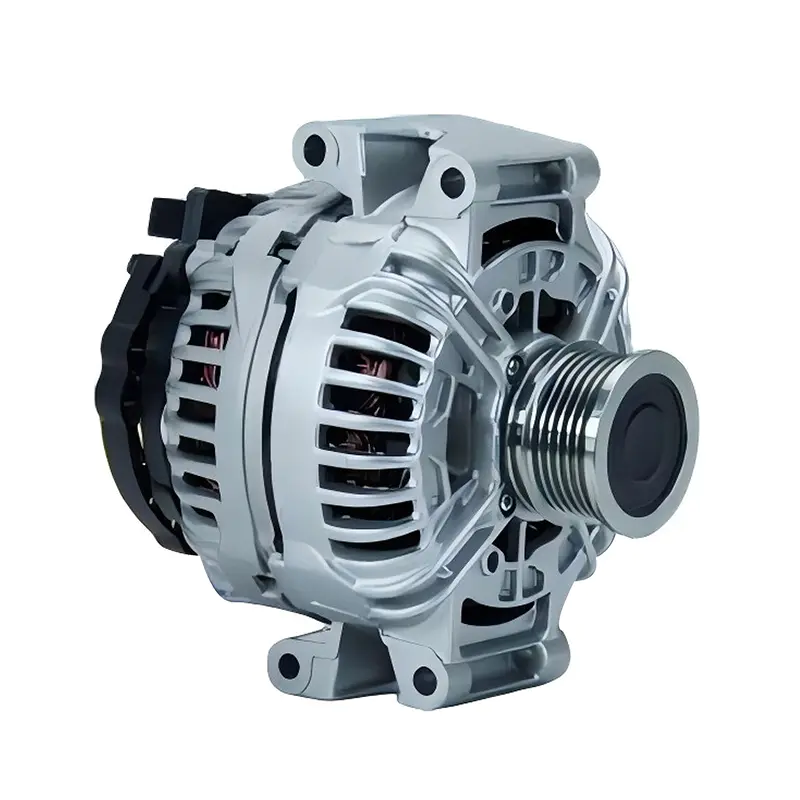
Conçu pour répondre aux besoins électriques exigeants des véhicules modernes, l'alternateur de voiture Bosch 12 V 150 A 11064/0124615009 pour AUDI A4 1,6 L, 1,8 L, 2,0 L est une solution de co...
Voir Détails +86 157 2060 1523
 [email protected]


Obtenez Un Devis
How Do You Choose the Right LUCAS Alternator for a Ford Vehicle?
Jul 15, 2026
Content
- 1 Why LUCAS Alternators Remain a Common Choice for Ford Vehicles
- 2 Understanding Alternator Output Ratings for Ford Applications
- 3 Fitment Details That Affect Compatibility
- 4 Comparing Key Fitment Factors Across Ford Alternator Applications
- 5 Recognizing When a Ford Alternator Needs Replacement
- 6 Installation Considerations for LUCAS Alternator Replacement
- 7 Final Guidance for Selecting the Right Unit
Why LUCAS Alternators Remain a Common Choice for Ford Vehicles
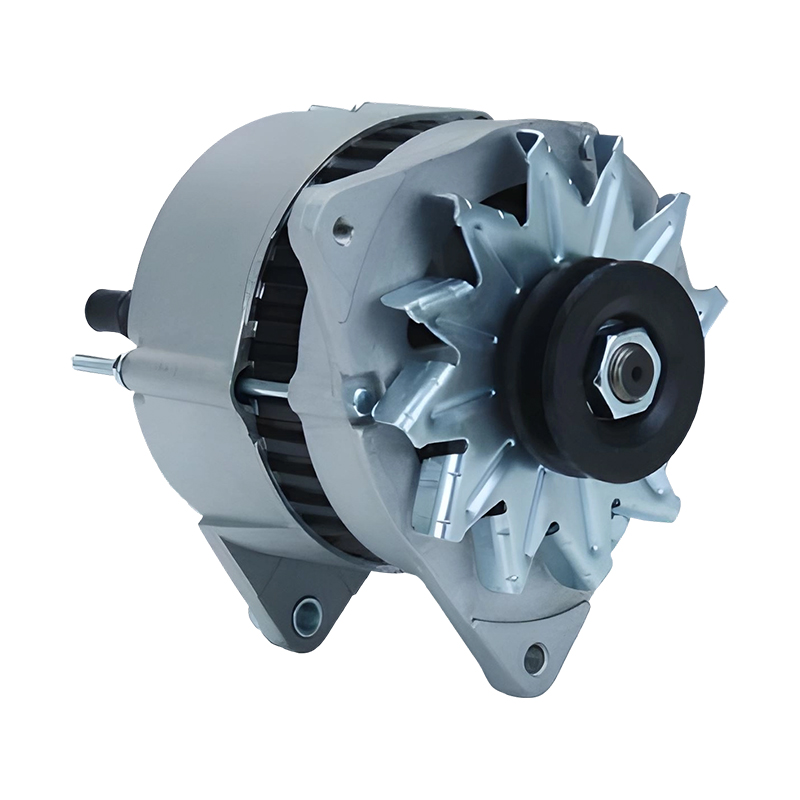
LUCAS has a long-standing reputation in the automotive electrical parts market, and its alternators are widely used as both original equipment and aftermarket replacements across a broad range of Ford models, from older classic Fords to more recent commercial and passenger vehicles. For workshops and individual owners sourcing a replacement alternator, LUCAS units are often selected because they are built to match factory output specifications closely, which reduces the risk of undercharging or overcharging issues that can arise from generic, mismatched aftermarket parts.
Choosing the correct LUCAS alternator for a specific Ford model is not simply a matter of matching physical size. Output amperage, pulley type, connector configuration, and mounting bracket design all vary across Ford's model range and production years, and getting any one of these details wrong can result in a unit that bolts on but fails to charge correctly or causes belt alignment problems.
Understanding Alternator Output Ratings for Ford Applications
Alternator output is measured in amps, and Ford vehicles across different eras and trims were fitted with alternators ranging from around 45 amps on older, lower-demand models to well over 150 amps on modern vehicles with extensive electronics, climate control systems, and infotainment loads. Selecting an alternator with too low an output for a vehicle's actual electrical demand leads to chronic undercharging, dim lighting, and a battery that never fully recovers between short trips.
Matching Output to Vehicle Electrical Load
Vehicles with factory-fitted accessories such as heated seats, larger sound systems, auxiliary lighting, or aftermarket electronics benefit from selecting the higher end of the compatible output range where LUCAS offers multiple amperage options for the same Ford model. This is particularly relevant for commercial Ford vans and utility vehicles, where owners frequently add power take-off equipment, refrigeration units, or communication systems that increase constant electrical draw beyond the original factory specification.
Why Overrated Output Is Not Automatically Better
While it may seem logical to simply choose the highest available output rating, an alternator significantly oversized for the vehicle's wiring harness and voltage regulator design can create excess heat and place unnecessary strain on the charging system's other components. LUCAS alternators are engineered to work within the voltage regulation parameters of specific Ford charging systems, so matching output to the original specification or a documented compatible upgrade path is the safer approach rather than assuming more amperage is always beneficial.
Fitment Details That Affect Compatibility
Beyond output rating, several physical and electrical fitment details determine whether a LUCAS alternator will install correctly on a given Ford vehicle. Overlooking these details is one of the most common reasons a seemingly correct replacement part does not fit or function properly once installed.
Pulley Type and Belt System
Ford vehicles have used several belt drive configurations over the years, including V-belt systems on older models and serpentine belt systems with grooved pulleys on newer vehicles. Some newer Ford models also use a one-way clutch pulley, sometimes called an overrunning alternator pulley, designed to reduce belt noise and vibration. Installing a fixed-pulley LUCAS alternator on a vehicle originally equipped with a clutch pulley design can result in increased belt wear and unusual noise, even though the alternator itself may charge correctly.
Connector and Wiring Configuration
Ford charging systems have used a variety of connector types for the field, sense, and ignition wiring, and these connectors differ between internally regulated and externally regulated alternator designs. Confirming whether a specific Ford model uses an internal or external voltage regulator is essential before ordering, since a LUCAS alternator built for one regulation type will not function correctly, or may not connect at all, on a vehicle wired for the other.
Mounting Bracket and Ear Spacing
The physical mounting ears on an alternator housing must align with the bracket points on the engine block, and even small differences in ear spacing or bolt hole diameter between production years of the same Ford model can prevent a straightforward installation. Checking the exact engine code and production year, not just the vehicle model name, helps confirm the correct mounting configuration before purchase.
Comparing Key Fitment Factors Across Ford Alternator Applications
| Factor | Why It Matters | Common Mistake |
| Output Amperage | Must match or safely exceed vehicle electrical load | Choosing too low a rating for added accessories |
| Pulley Type | Affects belt wear and noise | Fitting a fixed pulley where a clutch pulley is required |
| Regulator Type | Determines correct wiring connection | Mixing internal and external regulator units |
| Mounting Ears | Must align with engine bracket points | Assuming all model years share the same bracket spacing |
Recognizing When a Ford Alternator Needs Replacement
Alternator failure symptoms can overlap with other electrical issues, so confirming the alternator is genuinely at fault before ordering a replacement saves both time and cost. A failing alternator typically produces a combination of warning signs rather than a single isolated symptom.
- Dashboard battery or charging warning light illuminated while driving
- Dimming or flickering headlights, especially noticeable at idle
- Battery repeatedly going flat despite being recently charged or replaced
- Whining or grinding noise from the alternator area, often indicating worn bearings
- Burning smell from the engine bay, which can indicate an overheating or failing internal winding
A voltage test at the battery terminals with the engine running provides a quick diagnostic check. A healthy charging system typically reads between 13.8 and 14.8 volts with the engine running and accessories on, while a reading closer to or below the resting battery voltage of around 12.6 volts suggests the alternator is not charging effectively and warrants further inspection or replacement.
Installation Considerations for LUCAS Alternator Replacement
Installing a LUCAS alternator on a Ford vehicle follows a broadly similar process across models, though specific torque values and belt tensioning methods vary by engine type. Disconnecting the battery before beginning work is essential to avoid short circuits while handling the alternator's electrical connections.
Belt Tensioning After Installation
Serpentine belt systems on newer Ford models typically use an automatic tensioner, which simplifies installation but should still be checked for proper spring tension and pulley alignment after the new alternator is fitted. Older V-belt systems require manual tensioning, and setting belt tension too loose can cause slipping and reduced charging output, while overtightening accelerates bearing wear in both the alternator and other belt-driven accessories.
Post-Installation Testing
After installation, running the engine and checking charging voltage at the battery terminals confirms the new LUCAS alternator is functioning correctly before the vehicle is returned to regular use. It is also worth checking for any unusual noise from the pulley or belt area during the first short drive, since this can indicate a tensioning or alignment issue that is easier to correct immediately rather than after extended driving.
Final Guidance for Selecting the Right Unit
Choosing a LUCAS alternator for a Ford vehicle comes down to confirming four details before purchase: the correct output amperage for the vehicle's electrical load, the correct pulley type for the belt system, the correct regulator type for the wiring configuration, and the correct mounting bracket for the specific engine and production year. Cross-referencing the vehicle's engine code, rather than relying on the model name alone, remains the most reliable way to confirm all four factors align with the LUCAS part being considered, reducing the chance of a fitment issue after the part has already been purchased and installed.
Produits connexes
-
-
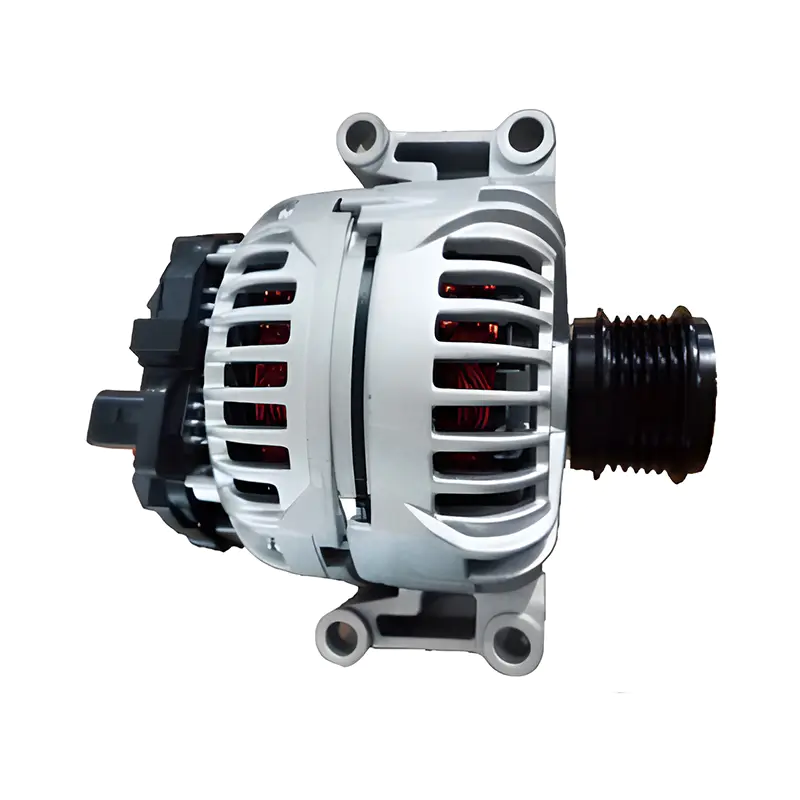
L'alternateur de voiture Bosch 12V 140A 11466N/0124525113 pour AUDI A4 1.8 TFSI, A5, Q5 est une pièce de rechange de haute qualité conçue pour répondre aux besoins électriques de modèles AUDI ...
Voir Détails -
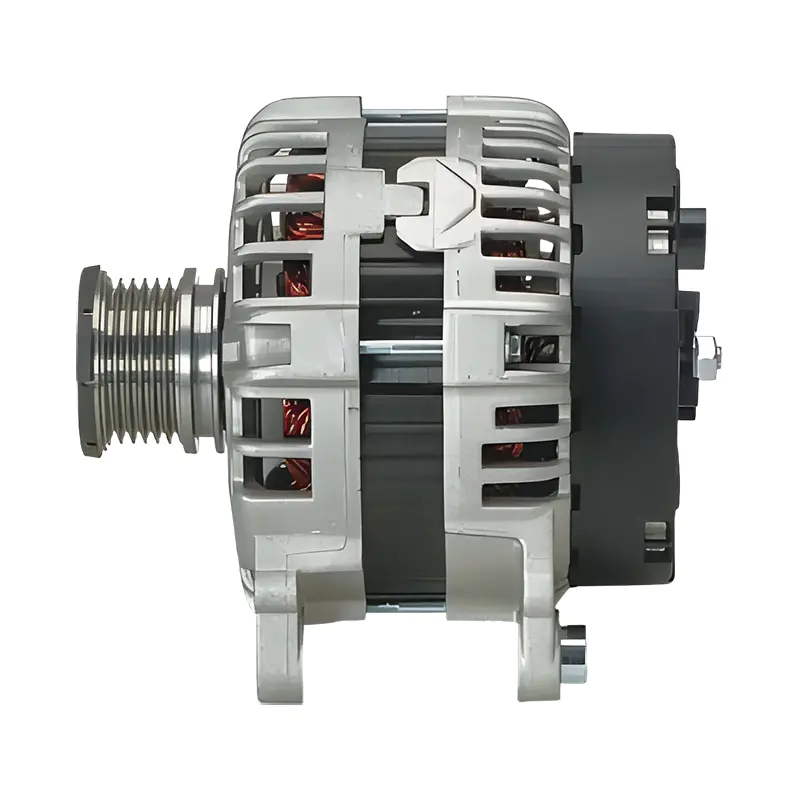
Conçu comme une solution d'alimentation fiable, l'alternateur de voiture Bosch 12 V 150 A 0125711081/115901 pour AUDI A4/A5/Q5-2,0 L TDi est conçu pour répondre aux besoins électriques ex...
Voir Détails -
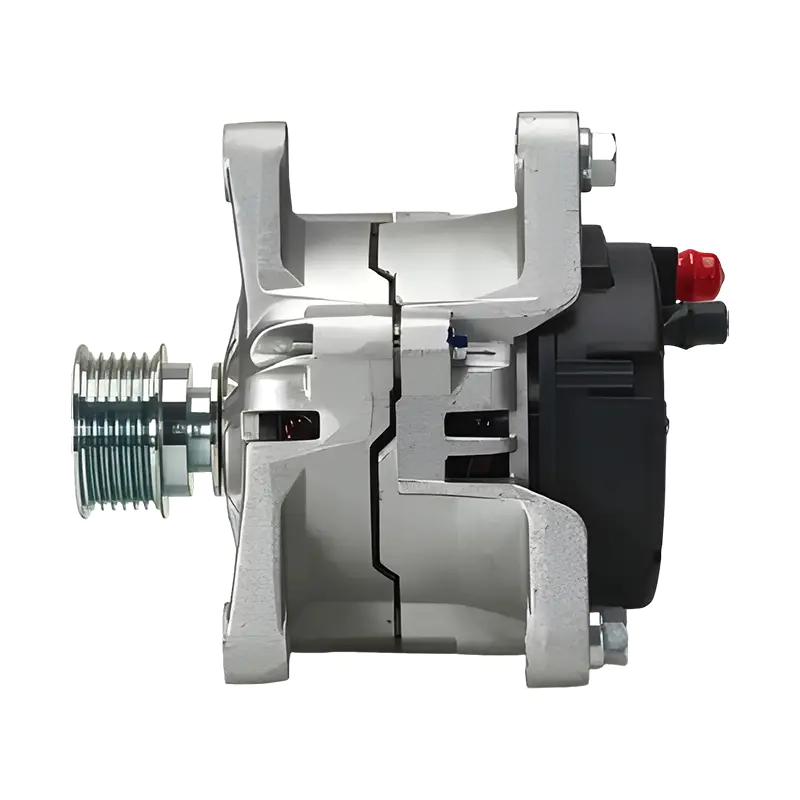
Conçu comme un remplacement fiable du système électrique de votre véhicule, cet alternateur de voiture Bosch 12V 90A 12311247487/0123320012 pour BMW SÉRIE 3 316i, 318i 1.8E36 1993-1998 offre des pe...
Voir Détails -
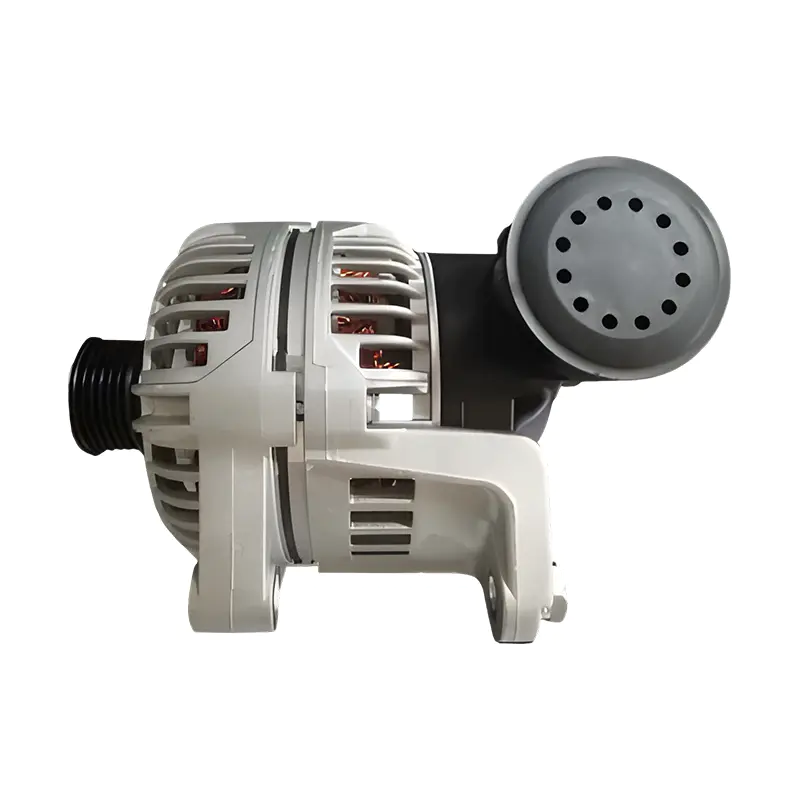
Conçu comme un remplacement fiable de la série de moteurs BMW 320/2.0i E46 M52B20, cet alternateur de voiture Bosch 12 V 120 A 13882/0123515022 pour BMW 320/2.0i E46 M52B20 offre des performances c...
Voir Détails -
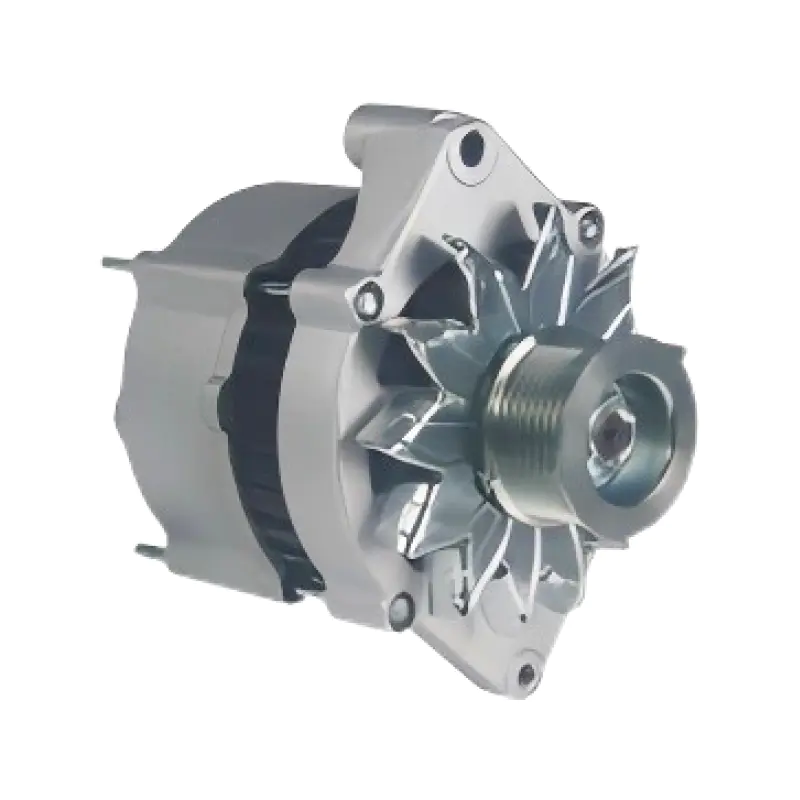
L'alternateur de voiture Bosch 12V 95A 12145/0120484011 pour CASE Crawler Dozer 650K Series 3 Case 4.5L est une pièce de rechange de haute qualité spécialement conçue pour le CASE Crawler Dozer 650K S...
Voir Détails -
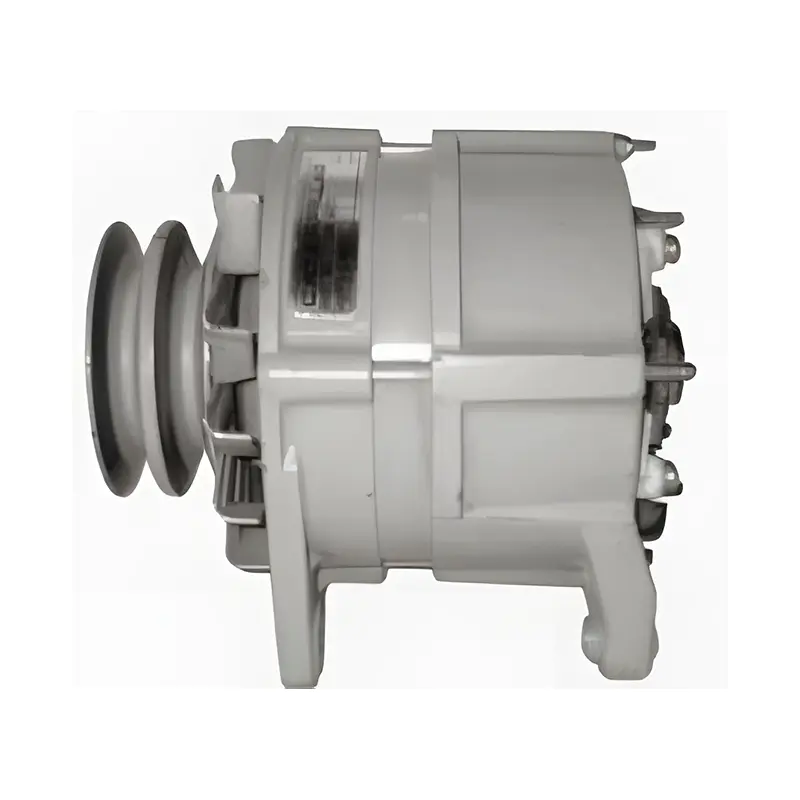
L'alternateur de voiture Bosch 12V 70A 14054/0120488286 pour CATERPILLAR LOADER 3054 ENGINE/perkins est une pièce de rechange haute performance spécialement conçue pour les modèles CATERPILLAR...
Voir Détails -
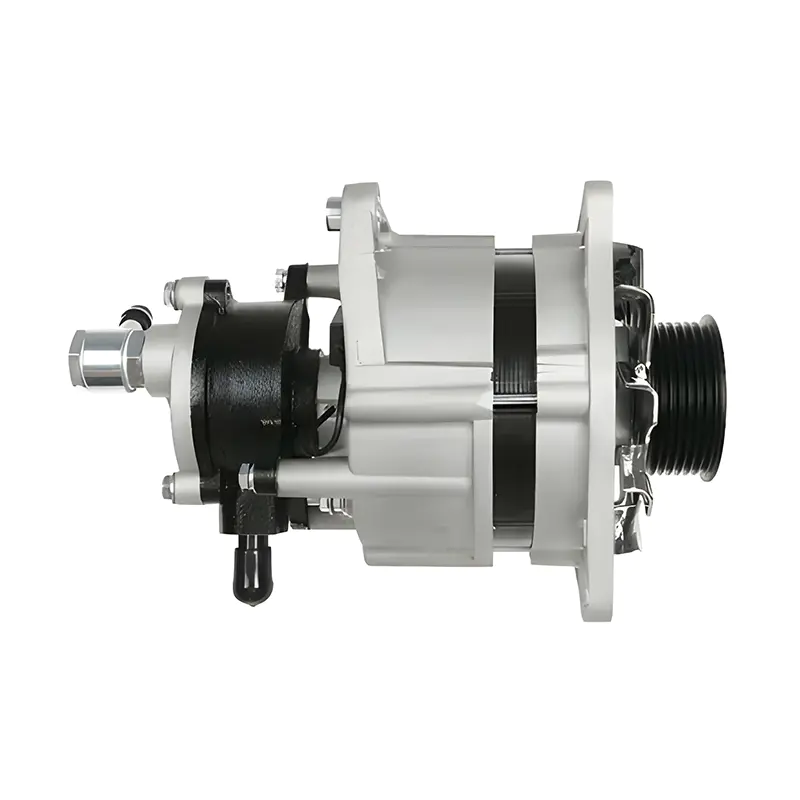
Conçu comme une solution d'alimentation fiable, l'alternateur de voiture Bosch 12V 80A 9120080212 pour CHEVROLET BLAZER S10 2.5D 97-00 est conçu spécifiquement pour les modèles CHEVROLET ...
Voir Détails -
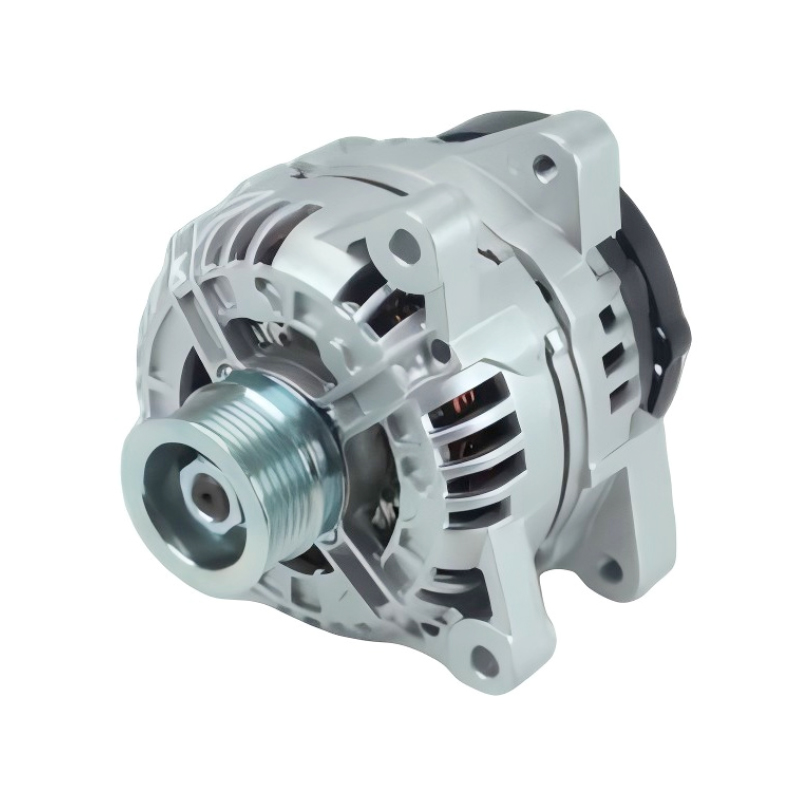
L'alternateur de voiture Bosch 12 V 150 A 23301/0124525035 pour CITROEN C2 C3 C5 C8 1,4 L-2,2 L PEUGEOT407 607 est conçu pour offrir des performances constantes pour une gamme de modèles de vé...
Voir Détails -
Conçu comme un remplacement fiable du système électrique de votre véhicule, l'alternateur de voiture Bosch 12V 150A 23227/0124525034 pour CITROEN C2 C3 C5 C8 1.4L-2.2L PEUGEOT407 607 est conçu...
Voir Détails -
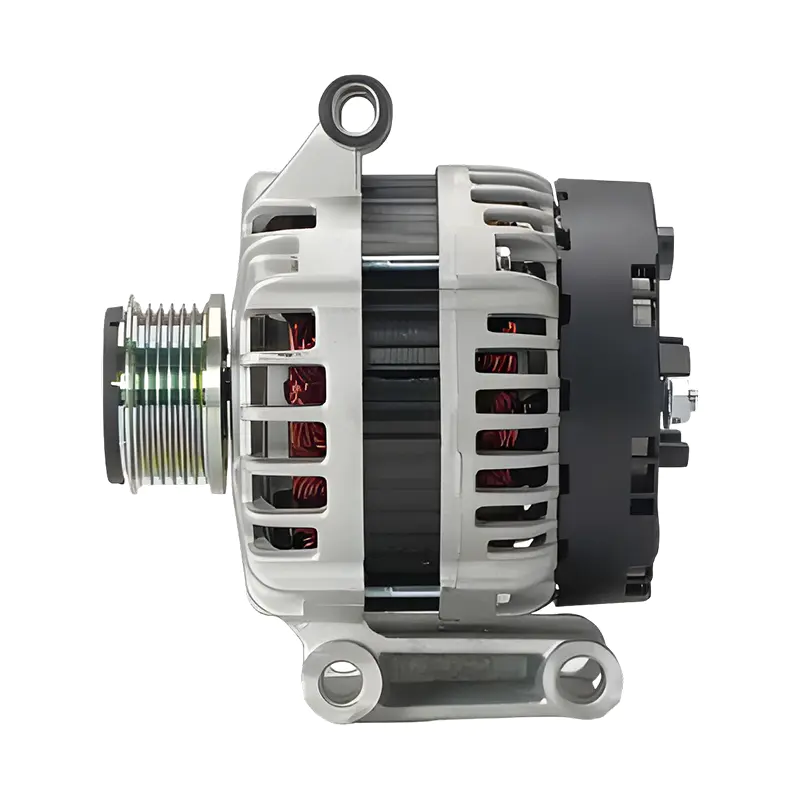
Conçu comme une solution d'alimentation fiable pour des modèles CITROEN spécifiques, l'alternateur de voiture Bosch 12V 150A 20251N/0125711058 pour moteurs CITROEN JUMPER 2,2 L HDi-4HG,4H...
Voir Détails -
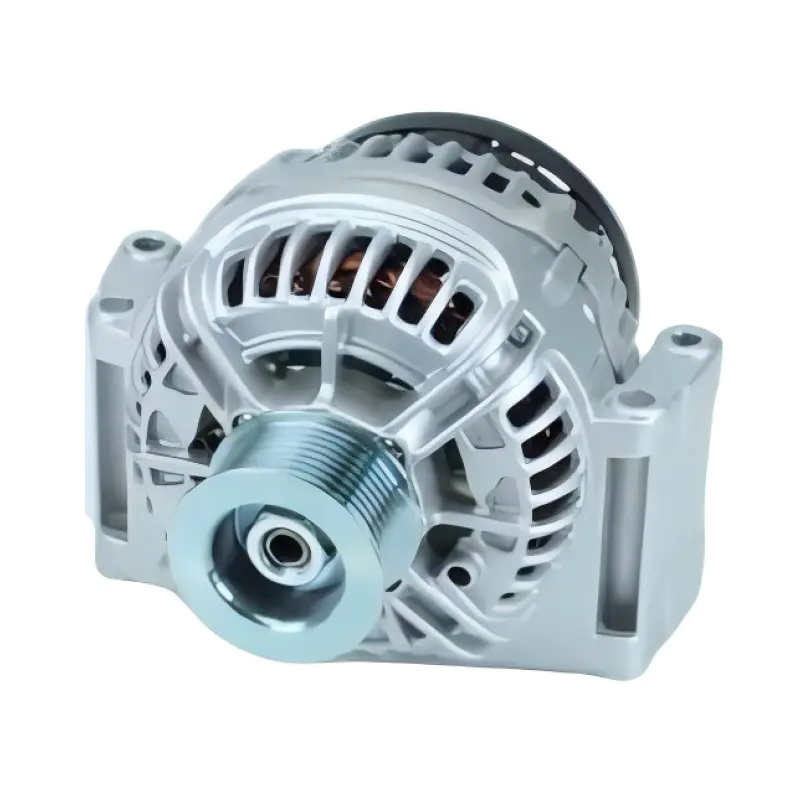
L'alternateur de voiture Bosch 24 V 80 A 0124555018 pour DAF CF85.360 CF85.410 MXENGINE est une pièce de rechange de haute qualité spécialement conçue pour les séries de moteurs DAF CF85.360 e...
Voir Détails

Coordonnées
-
Usine De Production:No. 19, Avenue Taihu Ouest, District Wujin, Ville de Changzhou, Province du Jiangsu, Chine
-
Email:
-
Téléphone:+86 157 2060 1523
-
TÉL. :+86-519 8639 0626
Droit d'auteur © 2025 Changzhou Hancheng Auto Parts Co., Ltd. Tous droits réservés.
